
Pearland leak detection and pipe repair without guesswork
Warm spots, burst lines, buckling floors, and mystery water bills all point to the same need: isolate the problem before opening walls or slab.
Pearland homes can hide supply leaks in walls, attics, and slab lines long before water shows up where you expect it. A pinhole on a hot line under a bathroom can run for weeks before you see visible damage, and a burst pipe or failed shower valve can turn into a drywall and flooring problem fast. Armstrong Plumbing uses isolation tests, moisture clues, pressure checks, and selective access so the repair plan fits the leak instead of turning a targeted fix into a larger tear-out.
Where we focus
- Hot and cold supply leaks in walls, attics, and slabs—with access plans that minimize finish damage.
- Shower and tub/shower valves: trim compatibility, depth issues, and pressure-balance quirks.
- Pinhole copper and galvanized transitions handled with proper dielectric protection where metals meet.
Meter movement tests and zone shutoffs narrow which branch is bleeding.
Small drywall or ceiling openings first; slab hits only when evidence points down.
Copper press, PEX, or repipe sections sized to match existing flow and pressure.
High static pressure shortens cartridge life and stresses flex lines under sinks. If we see 80+ psi at the hose bib, we talk about regulators and expansion tanks before the next leak.
Worth a closer look
Long-running leaks need drying plans. We coordinate with remediation when framing is saturated.
Not every cartridge swaps without the exact trim kit—bring photos or we ID on site.
Leak detection and burst-pipe help for Pearland homes
Leak-detection calls in Pearland are not all the same. Some start with a steady meter spin and no visible water, some with a ceiling stain after a line lets go, and some with a warm slab spot that points to a hidden hot-water leak. Armstrong Plumbing narrows the source first so the repair plan fits the pipe and the access point that actually failed.
Warm flooring, musty drywall, low pressure at one branch, or a bill that climbs without a visible fixture leak can all point to a hidden supply problem. We use those clues to separate slab, wall, attic, and fixture-side failures before opening anything.
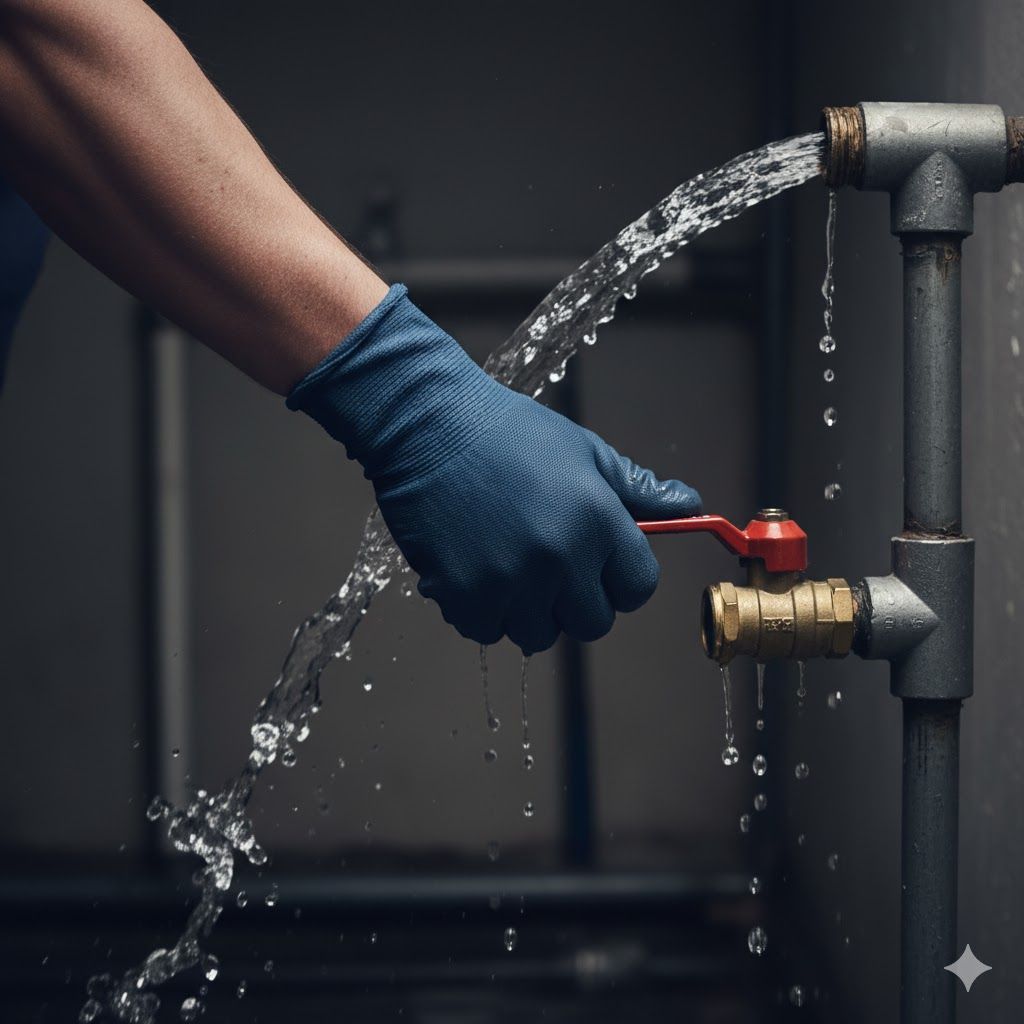
If a line has already opened up, the first move is stopping flow and limiting damage. We help homeowners understand whether a local shutoff, the house main, or a water-heater isolation step is the safest way to stabilize the situation before the permanent repair begins.
Some leaks need a localized repair, some need a longer section replaced, and some repeat failures justify a broader repipe conversation. We explain the tradeoff between patching, replacing sections, and planning ahead so the repair matches the age and condition of the line. When leaks keep coming back, compare repiping for repeat leaks.
When a leak deserves faster action
If the meter is still turning while fixtures and irrigation are shut down, that usually means the leak is still active somewhere on the house side of the system.
Staining, sagging texture, or paint bubbles often mean the leak has already spread beyond the pipe itself and needs to be stopped before finish damage grows.
When the same area or material keeps failing, it is usually worth talking through whether a section replacement or broader pipe plan makes more sense than another isolated patch. Our Pearland repiping page explains when that larger plan may be the cleaner option.
Book online or call—emergencies first.
- Phone24/7
- Scheduled serviceMon–Fri 8–5
- WeekendsCall anytime
FAQ
Do you warranty leak repairs?
We stand behind workmanship on repairs we perform; manufacturer warranties cover the parts they supply.
Is my yard wet spot a slab leak or irrigation?
Could be either. We trace domestic lines first — if the meter spins with irrigation shut off, that’s the tell.
Can you work with my insurance adjuster?
We document findings for the adjuster; coverage decisions stay between you and the carrier.
Why do my cartridges keep failing?
High static pressure (80+ psi) shortens cartridge life and stresses flex lines. We talk regulators and expansion tanks before the next leak.
Will you tear out my whole bathroom to find a leak?
No — small openings first, with slab cuts only when the evidence points down.