
Repiping in Pearland, TX
Repeat leaks, low pressure, and aging water lines usually mean the conversation is bigger than one more patch.
Repiping is the point where repeated plumbing repairs stop being the cheapest path. Pearland homes can reach that point when older copper starts pinholing, mixed materials fail at transitions, pressure has stressed the system for years, or previous spot repairs have turned the piping map into a patchwork. Armstrong Plumbing helps homeowners figure out when a whole-home repipe makes more sense than chasing the next leak.
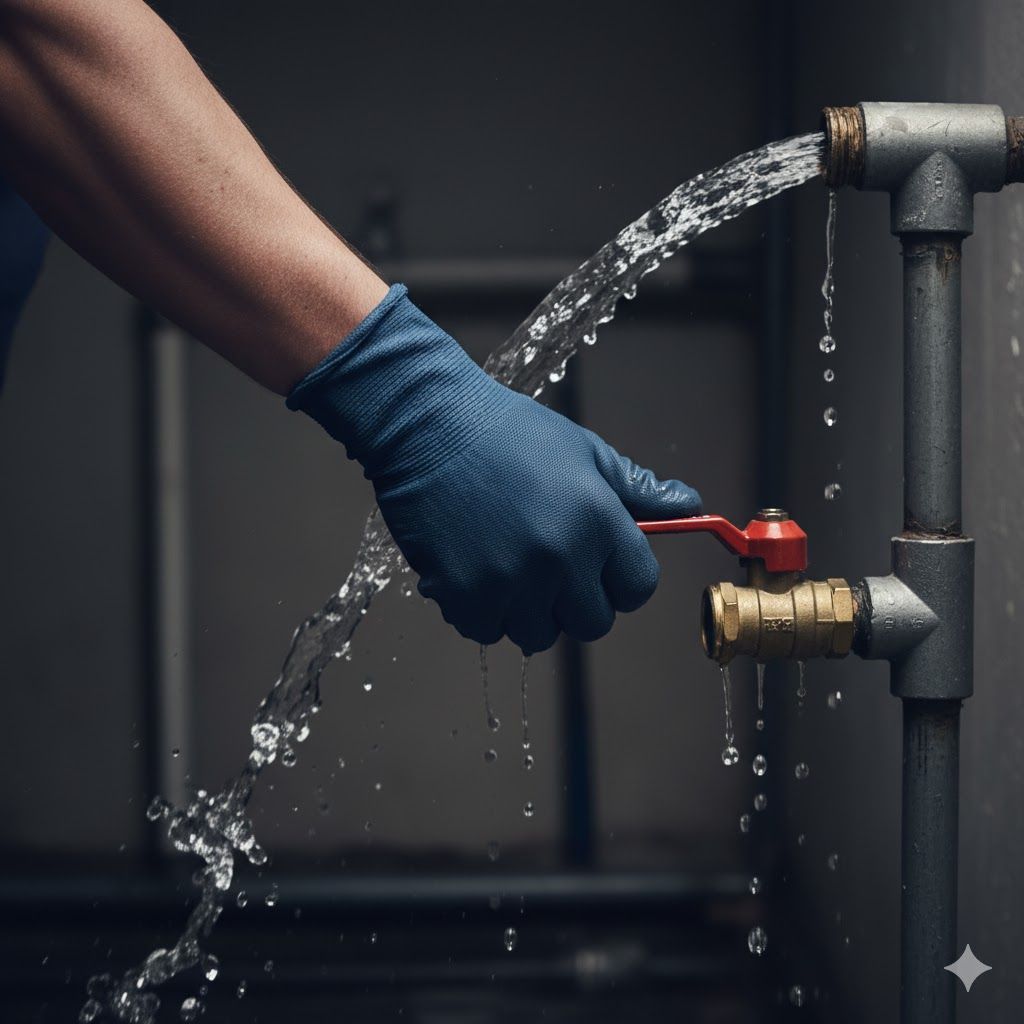
When repiping moves onto the table
- Repeat leaks in different rooms or on different branches that keep restarting the same repair cycle.
- Low pressure, rusty water, or noisy lines that point to system-wide pipe age instead of one bad fitting.
- Older homes, major remodels, or slab-line patterns where a planned repipe is safer than serial access cuts.
We look at leak history, pressure, pipe material, access routes, and whether the failures suggest a whole-system issue.
Armstrong maps the repipe path, shutoff windows, fixture sequence, access points, and how to keep the house workable during the project.
The goal is a cleaner long-term system with fewer future access cuts, stronger serviceability, pressure testing before close-up, and a clear punch-list before walls are closed back up.
Pearland homes can hit the repipe threshold faster when high static pressure, slab routing, aging copper, mixed repair history, and active family water use all stack together. If we see 80+ psi at the hose bib, we talk about regulators and expansion protection as part of the broader solution instead of leaving the next pipe failure in place.
Worth a closer look
If leaks keep showing up in different walls, ceilings, or fixture groups, the right next step may be a repipe conversation instead of another isolated patch.
When bathrooms or kitchens are already opening up, repiping now can be cleaner and less expensive than reopening finished spaces later.
What a Pearland repiping project usually covers
Repiping is not one-size-fits-all. Some homes need a full supply-side repipe, others need a phased approach, and some are still better served by targeted repair because the failure pattern is isolated. The right answer comes from how the house is piped, where the trouble keeps showing up, and what access looks like behind walls and above ceilings.
Repeat leaks, pressure drop across the house, discolored water, old pipe material, or several past repairs in different zones all point toward a bigger conversation.
Spot repair still makes sense when the failure is isolated. Repiping makes more sense when the material is aging broadly, access work keeps repeating, or the house is already opening up for a renovation.
Armstrong explains which material options fit the home, how new runs will be routed, where shutoffs will happen, how access openings are planned, and what patch or finish coordination may follow the plumbing work.
Many repipes can be staged over a few workdays, but house size, fixture count, access, water shutoff windows, pressure testing, and wall restoration all affect the schedule. We outline that before the work starts.
Pearland fit
Pearland has a mix of older homes with aging buried lines and newer homes where pressure, tankless upgrades, or prior additions changed the plumbing load. The repipe plan has to match that history.
A good repipe should leave the home easier to service, easier to shut down in an emergency, and less likely to need repeated destructive access for the same problem later. The plan should also make clear what will be tested before finishes are restored.
Related Pearland plumbing pages
Book online or call for a repiping evaluation and plan.
- Phone24/7
- Scheduled serviceMon–Fri 8–5
- WeekendsCall anytime
FAQ
How do I know if my Pearland home may need repiping?
Repeat leaks in different areas, low pressure at multiple fixtures, discolored water, noisy pipes, or a home with aging pipe material can all point toward a broader repiping conversation.
When is whole-home repiping better than another spot repair?
Repiping starts to make more sense when leaks keep showing up in different branches, the material is failing throughout the house, access work keeps repeating, or a major remodel already opens walls.
What pipe materials do you use for repiping?
That depends on the home, access, local code, and how the existing system is laid out. We explain the pros, limits, routing needs, and serviceability of the materials we recommend before work begins.
How long does a repipe usually take?
Many residential repipes can be staged over a few working days, but the timeline depends on house size, number of baths, access, patch coordination, and whether drain work is involved too.
Can we stay in the house during a repipe?
Often yes, at least for much of the project. We explain likely water shutoff windows, daily sequencing, and any rooms that need to stay clear while the repipe is underway.