
Regional Water Heater Service for Galveston Bay & Brazoria County
Broader water heater guidance for repair, replacement, installation, and tankless decisions across the wider service area.
When hot water becomes unreliable, Armstrong Plumbing looks beyond a quick tank swap. Upper-coast groundwater can dip into the 50s °F in winter, hard water scale can shorten element and tankless component life, and high pressure can damage a new heater as quickly as the old one. We check the cause, explain repair versus replacement, and size the equipment around how each home actually uses hot water. If the job is specifically for a Pearland home, start with our dedicated Pearland water heater page so the exact local page owns that commercial intent. For a homeowner version of the repair-or-replace decision, read our Pearland water heater repair vs. replacement guide.
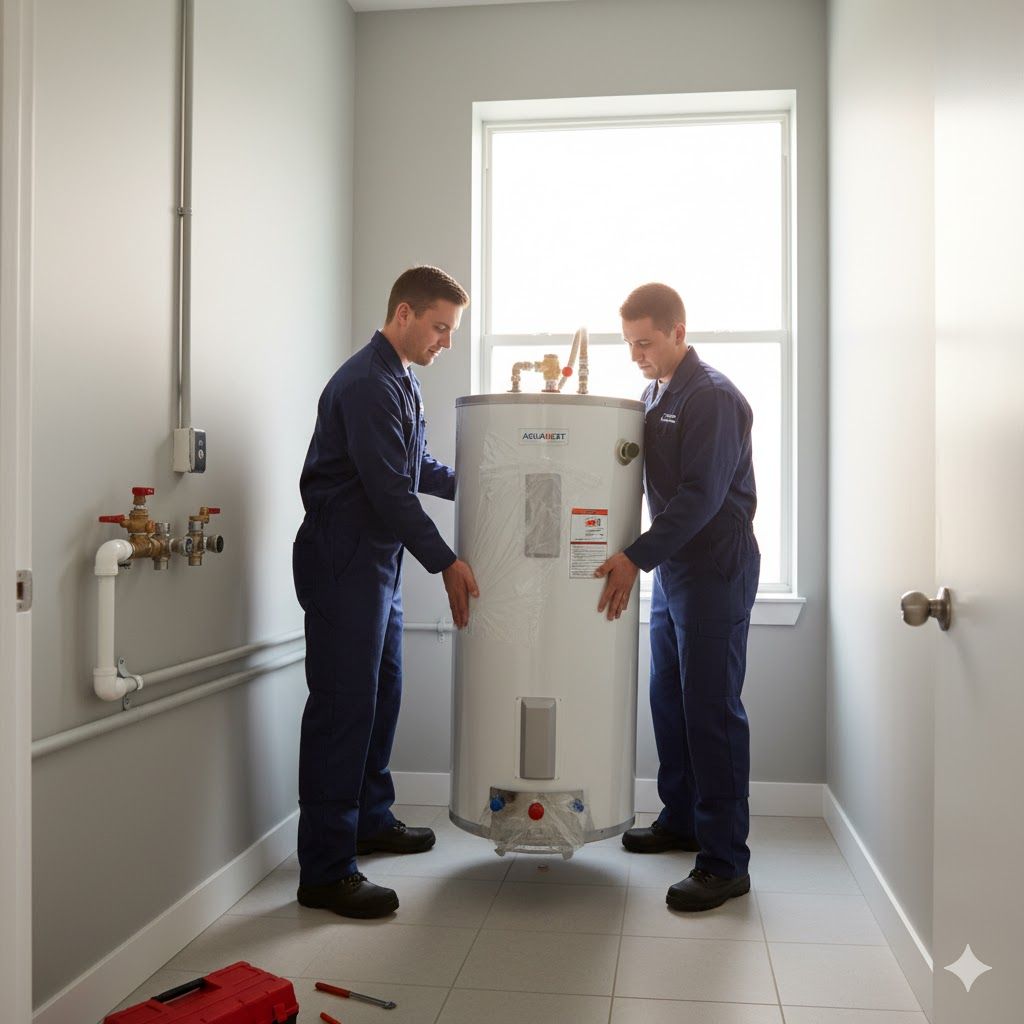
Where we focus
- Electric, gas, and propane heaters—installed with correct venting, drip legs, and combustion air.
- Tankless water heater repair in Pearland, descaling, and flow sensor cleaning when hard water gums up the works.
- Recirculation loops and timers that actually cut wait time without roasting your utility bill.
We record model, serial, gas line size, and flue condition before quoting a swap.
Peak demand + simultaneous fixtures + incoming groundwater temp drive the equipment list.
Secured and supported per local code, pan and drain where practical, expansion tank if your pressure dictates it.
Island and near-bay homes see more exterior corrosion on vent terminations and outdoor hose bibs tied to heater relief piping. If you are on Galveston Island, we factor salt air into how we route PVC and how we protect metal fittings.
Worth a closer look
If your T&P line is capped, pressure is north of 80 psi, or the flue is shared wrong, a straight swap repeats the same failure.
Hard water means periodic descale. Ignore it and you get flame errors and cold-water sandwiches nobody enjoys.
Water heater repair, replacement, installation, and tankless help in Pearland
Pearland homes often need water heater decisions made around hard water, attic or garage placement, pressure control, household demand, and how quickly the heater must recover after back-to-back showers. We look at the whole system before recommending a repair or replacement.
No hot water, tripped breakers, pilot issues, burner problems, bad elements, thermostat failures, relief valve leaks, and tankless error codes all start with testing before parts are recommended.
Leaking tanks, heavy corrosion, repeated failures, unsafe venting, and undersized equipment point toward replacement. We discuss capacity, fuel type, recovery rate, pan and drain options, and code-related updates.
New installation planning covers clearances, combustion air, expansion protection, shutoff access, support, drainage, and whether the location makes future service practical.
Tankless water heaters can be a strong fit, but only when gas capacity, venting, flow rate, descaling access, and peak household demand all pencil out for the home.
Warning signs to schedule service
This can come from sediment, a failing dip tube, crossed plumbing, undersizing, or a tankless unit that cannot keep up with simultaneous fixtures.
Visible corrosion, pan water, or marks below fittings should be checked before a small leak becomes ceiling, wall, or floor damage.
Noise and nuisance resets can point to sediment, electrical issues, burner problems, or controls that need diagnosis instead of guesswork.
Book online or call—emergencies first.
- Phone24/7
- Scheduled serviceMon–Fri 8–5
- WeekendsCall anytime
FAQ
Should I repair or replace my water heater?
Repair may make sense for a newer heater with a failed element, thermostat, pilot assembly, gas valve, sensor, or relief valve. Replacement is usually the better conversation when the tank leaks, corrosion is spreading, the unit is near the end of its expected life, or repeated repairs point to pressure, venting, or sizing problems.
Is tankless right for my house?
It depends on peak demand, gas or electric capacity, vent routing, maintenance access, and incoming groundwater temperatures. We size tankless equipment around simultaneous fixtures instead of assuming every home benefits from the same upgrade.
How long should a water heater last?
Many tank water heaters last roughly 8 to 12 years, while tankless units can last longer when they are sized correctly and maintained. Local water hardness, pressure, attic or garage heat, salt air near the bay, and skipped maintenance can shorten that timeline.
What counts as an emergency hot-water issue?
Call quickly if the tank is actively leaking, water is entering a ceiling or wall, you smell gas, the burner will not stay lit, a relief valve is discharging, or the home has no hot water and the heater serves critical needs.
Why does my shower run out of hot water so fast?
The cause could be an undersized heater, sediment, a failing dip tube, crossed plumbing, a bad thermostat, or a tankless unit pushed past its flow rating. We test the system before recommending parts or replacement.
Do I really need to descale a tankless?
Yes. Hard water along this corridor can cause scale buildup, flame errors, reduced flow, and cold-water sandwich complaints if descaling is skipped.
Why do just-swap-the-heater quotes fail so fast?
If the T&P line is capped, pressure is above 80 psi, or the flue is shared wrong, a straight swap repeats the same failure.