
Armstrong Plumbing Company — Blog
What to Do When a Pipe Bursts in Pearland
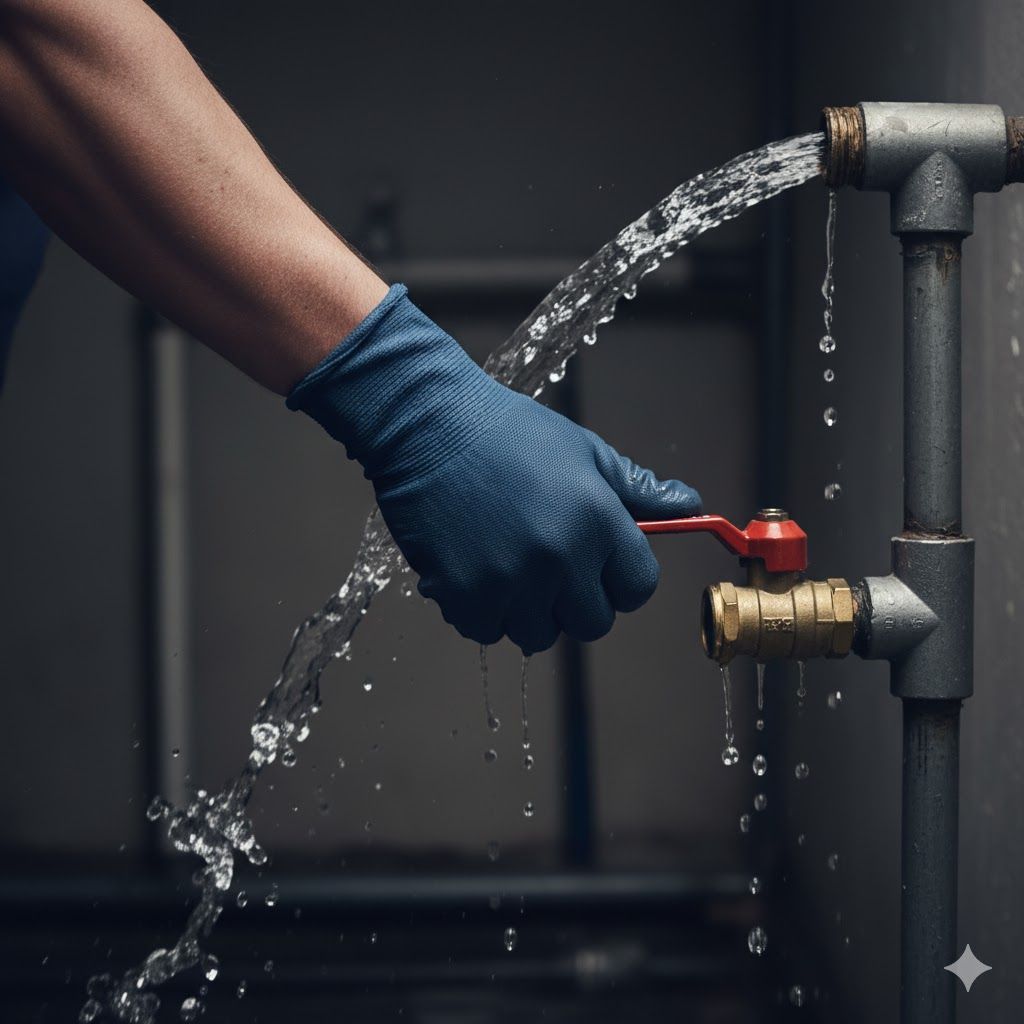
If a pipe bursts in your Pearland home, shut off the water first. Use the nearest working fixture valve if you can see the leak, or use the home main shutoff if water is spreading through a wall, ceiling, cabinet, or slab area.
Once water is controlled, keep people away from electrical hazards, move what you can safely move, take photos, and call for emergency plumbing help. The faster the flow stops, the less damage the repair and cleanup teams have to chase.
First: Stop the Water
Start with the closest shutoff that actually works. Under-sink angle stops, toilet stops, washing machine valves, and water-heater isolation valves can stop some leaks without shutting down the whole house. If the pipe is inside a wall, ceiling, attic, slab, or you cannot tell where the water is coming from, go straight to the main shutoff.
In many Pearland homes, the main shutoff may be in the meter box near the curb, on a garage wall, near an exterior hose bib, in a utility closet, or near the water heater. If you cannot find it, call while you look. A dispatcher can often help you narrow likely locations based on the home layout.
Second: Avoid Electrical and Ceiling Hazards
Do not walk through standing water near outlets, extension cords, appliances, a breaker panel, or ceiling fixtures. If water is coming through a ceiling, avoid standing under sagging drywall or light fixtures. A burst line above a room can soak insulation and drywall before the ceiling shows obvious damage.
If you can safely do so, move rugs, boxes, and furniture away from the wet area. Do not open walls or ceilings unless a plumber, remediation contractor, or emergency responder tells you it is safe.
Third: Call the Right Service Path
If water is actively spreading, start with Armstrong's Pearland emergency plumber page or call directly. If the water has stopped but the source is unclear, the next step may be leak detection in Pearland. Once the failed line is identified, the repair details usually belong under pipe and plumbing repairs.
That sequence matters. A burst pipe response is not just replacing the first wet fitting someone sees. The plumber needs to know what failed, whether pressure or pipe condition contributed, and whether a targeted repair is enough.
What Information Helps When You Call
You do not need a perfect diagnosis before calling. A few details help route the call and prepare the technician:
- Where the water is showing: kitchen ceiling, bathroom wall, garage, attic, cabinet, slab edge, or yard.
- Whether water is still flowing: steady spray, drip, meter movement, or stopped after a shutoff.
- What fixtures were running: shower, washing machine, dishwasher, hose bib, toilet, or water heater.
- Any safety concerns: water near electrical, sagging drywall, sewage, gas odor, or a blocked access point.
Document the Damage Without Delaying the Shutoff
Photos and videos help with insurance conversations, but do not let documentation delay shutting off the water. Once the flow is controlled and the area is safe, take wide shots of the room, close-ups of the leak area, and photos of wet flooring, cabinets, ceilings, or belongings.
Save receipts for plumbing, drying, and temporary repairs. Armstrong can document plumbing findings, but coverage decisions stay between you and your insurance carrier.
Why Pipes Burst or Fail Around Pearland
Not every burst pipe comes from freezing weather. In Pearland and the Galveston Bay service area, supply lines can fail from age, pressure, corrosion, movement, fixture shutoff stress, water-heater issues, or previous repairs that were never supported correctly.
After the emergency is stable, it is worth asking why the pipe failed. If pressure is high, if the same material has failed before, or if the line is exposed to attic heat and movement, another isolated patch may not be the best long-term answer.
Frequently Asked Questions About Burst Pipes
What should I do first when a pipe bursts?
Shut off water at the closest working valve or the main shutoff, move people away from electrical hazards, and call a plumber once the flow is controlled. If water is near outlets, panels, or appliances, avoid the area until it is safe.
Where is the main water shutoff in a Pearland home?
Common locations include the meter box near the curb, a garage wall, an exterior hose-bib area, a closet, or near the water heater. If you cannot find it, call and describe the home layout so the dispatcher can help you look while a plumber is routed.
Is a burst pipe an emergency plumbing call?
Yes. Active water from a broken supply line can damage flooring, drywall, cabinets, ceilings, and electrical systems quickly. Treat it as urgent even if the leak looks small.
Should I call insurance before or after the plumber?
Stop the water and call a plumber first if the pipe is still leaking. Take photos and videos as soon as it is safe, then contact your insurance carrier for coverage and mitigation instructions.
Can Armstrong Plumbing repair the pipe after finding the leak?
Yes. Armstrong Plumbing handles burst-pipe response, leak detection, and pipe repair planning for Pearland-area homes. The repair may be a localized fix, a longer section replacement, or a broader conversation if the pipe material keeps failing.
For active flooding or water spreading through the home, start with emergency plumbing in Pearland. For hidden water, meter movement, or slab leak clues after the immediate flow is stopped, review Pearland leak detection. For confirmed pipe failures, Armstrong's plumbing repairs page explains the broader repair path.
Armstrong Plumbing Company is a family-owned residential plumbing company in Pearland, Texas. We handle emergency plumbing, burst-pipe response, leak detection, pipe repair, drain cleaning, water heaters, and general residential plumbing. Explore our Services page or contact us to book an appointment.