

Armstrong Plumbing Company — Blog
Tankless Water Heater Maintenance on the Gulf Coast
Tankless water heaters can be a strong fit for Pearland and the Gulf Coast, but they are not maintenance-free. The same humidity, storms, mineral-heavy water, and long cooling seasons that affect the rest of a home can also affect how a tankless unit performs.
A little routine maintenance helps protect the heat exchanger, keep hot water steady, and catch small issues before they become no-hot-water calls.
If you are still comparing tankless against a standard tank, start with our tankless water heater guide. If you are weighing another repair against replacement on the current heater, our Pearland repair-vs-replacement guide breaks that decision down in plain language. If you already have a unit and need service, our water heater services page explains the repair, replacement, installation, and tankless paths.
Why Gulf Coast homes need a maintenance plan
A tankless water heater heats water as it moves through the unit. That saves space and can reduce standby energy loss, but it also means scale, airflow problems, and neglected filters can show up as performance issues faster than homeowners expect.
Along the Gulf Coast, the maintenance conversation is practical. Humidity can be hard on exterior components and nearby metal. Storms and wind-driven rain can affect outdoor units and vent terminations. Mineral buildup inside the heater can reduce flow and make the system work harder. None of that means tankless is a bad choice. It just means the unit should be checked on a regular schedule.
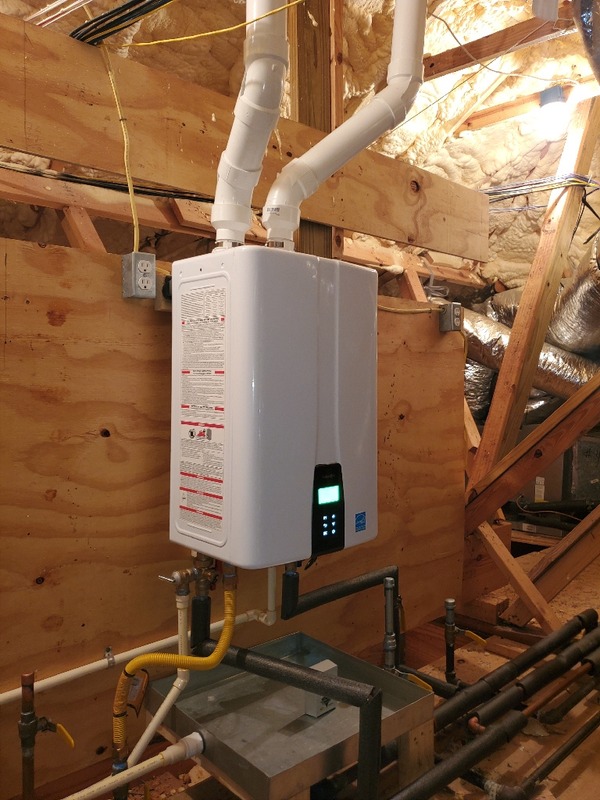
Start with annual flushing or descaling
The most common maintenance step is flushing the unit with a descaling solution. This helps remove mineral buildup from the heat exchanger. When scale builds up, the heater may lose efficiency, deliver less consistent hot water, or show error codes because water is not moving through the system the way it should.
For many Pearland-area homes, annual service is a good baseline. Homes with harder water, heavy hot-water use, or a history of tankless issues may need a shorter interval. If the unit has isolation valves, flushing is more straightforward. If it does not, service may take longer or require additional setup before the heater can be cleaned correctly.
Check the inlet filter and water quality
Most tankless units have an inlet screen or filter that catches small debris before it reaches the heater. If that screen gets clogged, hot-water flow can drop and the unit may struggle to keep temperature steady. Cleaning the filter is a small step, but it can prevent a frustrating service call.
Water quality matters too. Scale protection, filtration, or water treatment can make sense for some homes, especially when the same mineral buildup keeps returning. The right answer depends on the home, the unit, and the water conditions, so it is worth asking before adding equipment that may not solve the actual problem.
Look at venting, air intake, and condensate
Tankless water heaters need clean air movement and safe exhaust routing. Leaves, insect nests, corrosion, storm debris, or a shifted vent termination can create problems that are easy to miss until the heater starts throwing errors. Outdoor units also need enough clearance around the cabinet so the heater can breathe.
Condensing tankless units also produce condensate that has to drain correctly. A blocked or poorly routed condensate line can shut the unit down or create moisture problems nearby. During maintenance, the drain path should be checked along with the venting and intake areas.
Watch for corrosion and storm exposure
Gulf Coast humidity and salt air can be tough on metal parts, brackets, covers, and nearby plumbing connections. This is especially important for outdoor units or units in garages and utility areas that see more moisture. A maintenance visit should include a visual check for corrosion, staining, loose fittings, and signs that water has been getting where it should not.
After a major storm, it is smart to look at the unit before assuming everything is fine. If the cabinet, vent, gas connection, electrical connection, or surrounding wall has visible damage, call for service before running the heater heavily.
When maintenance turns into troubleshooting
Maintenance is meant to prevent problems, but it can also uncover a reason the unit has been acting up. Temperature swings, ignition failures, low flow, frequent error codes, rumbling, or water that never gets as hot as it used to may point to scale, gas supply, venting, sensor, or sizing issues.
That is where a service visit should slow down. The goal is not just to reset the heater and leave. A good diagnosis looks at the unit, the plumbing around it, the household demand, and whether the issue is maintenance-related or a sign that repair or replacement should be discussed.
What homeowners can do between service visits
- Keep the area around the heater clear so the unit has proper airflow and service access.
- Check for visible leaks, corrosion, staining, or storm damage around the unit.
- Pay attention to error codes, temperature changes, and lower-than-normal hot-water flow.
- Do not ignore repeated shutdowns. A reset may get the heater running, but it does not explain why the problem happened.
- Schedule maintenance before the unit is already failing, especially before heavy guest seasons or major home projects.
How this supports the bigger water heater decision
If you are considering a tankless conversion, maintenance should be part of the decision from the start. A tankless system can be a good long-term choice, but it needs proper sizing, correct installation, clean venting, and a realistic service plan. For the broader comparison, read our tankless water heater article. For local repair and replacement help, use our Pearland water heater repair page or the main water heater services page.
Frequently Asked Questions About Tankless Maintenance
How often should a tankless water heater be flushed on the Gulf Coast?
Most homes should plan on annual flushing or descaling. Homes with harder water, heavy hot-water use, or recurring tankless error codes may need service more often.
Why does Gulf Coast weather matter for tankless maintenance?
Humidity, salt air, storms, and mineral-heavy water can all affect venting, exterior components, condensate drains, and scale buildup inside the heat exchanger.
Can I flush a tankless water heater myself?
Some homeowners do their own basic flushing, but the unit needs the right valves, pump, solution, and shutdown steps. If you are unsure, schedule service so the heater is cleaned and checked safely.
What are signs a tankless water heater needs service?
Watch for temperature swings, reduced hot-water flow, error codes, ignition problems, rumbling, mineral buildup, exhaust or venting concerns, and a condensate line that is not draining properly.
Does Armstrong Plumbing service tankless water heaters?
Yes. Armstrong Plumbing helps Pearland-area homeowners with tankless maintenance, tankless troubleshooting, and standard water heater repair, replacement, and installation.
If your tankless heater is overdue for service or starting to show warning signs, review our water heater services page, compare the basics in our tankless water heater guide, or contact Armstrong Plumbing to schedule help.
Armstrong Plumbing Company is a family-owned residential plumbing company in Pearland, Texas. We help homeowners with water heater repair, water heater replacement, tankless water heater maintenance, sewer repair, water filtration, backflow prevention, and general residential plumbing. Explore our Services page or contact us to book an appointment.