

Armstrong Plumbing Company — Blog
Backflow Testing in Pearland and the Gulf Coast
Most Pearland and Gulf Coast homeowners do not think about backflow until they get a notice from their city or water provider saying they need a test. Even then, a lot of people wonder what the device does, why testing matters, and how it connects to everyday plumbing safety.
Here's the short version: backflow testing makes sure contaminated water can't flow backward into your clean drinking water. In Texas, it is an important part of responsible plumbing maintenance, especially for properties with irrigation, pools, commercial equipment, or other cross-connection risks.
What Is Backflow?
Your home's plumbing is designed to move water in one direction — clean water comes in, wastewater goes out. Backflow is when that process reverses. Instead of dirty water leaving your home, it gets pulled back into the clean water supply.
This can happen when water pressure drops suddenly — like during a water main break, heavy fire department use, or even a burst pipe in your neighborhood. When pressure drops, water can get sucked backward through connected systems.
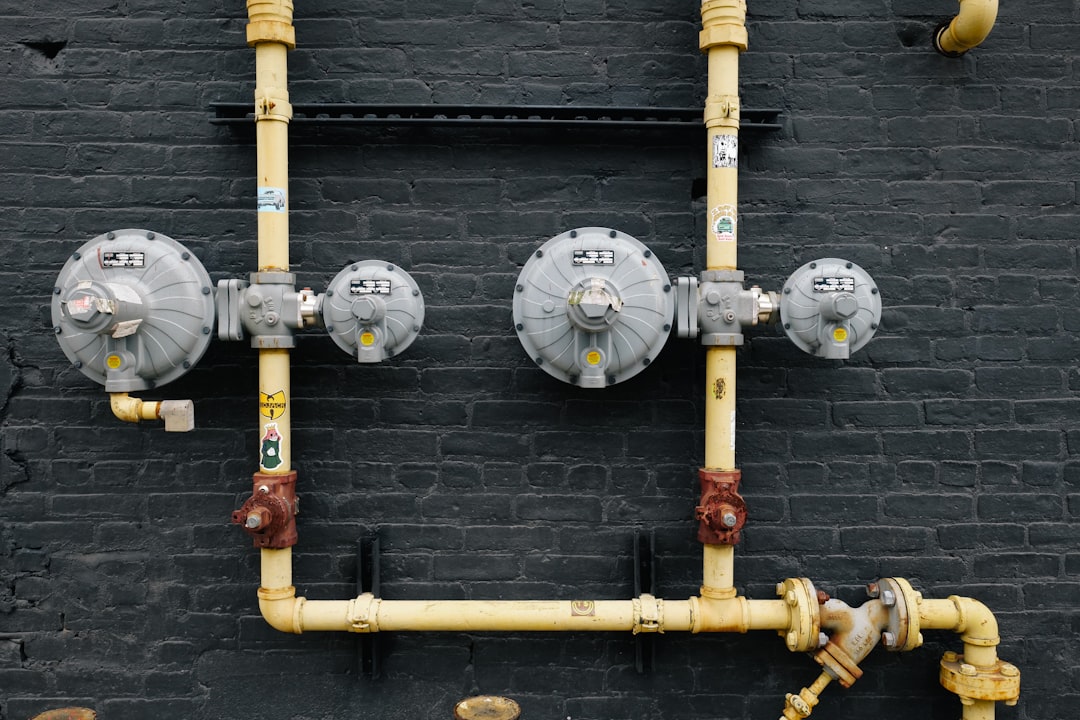
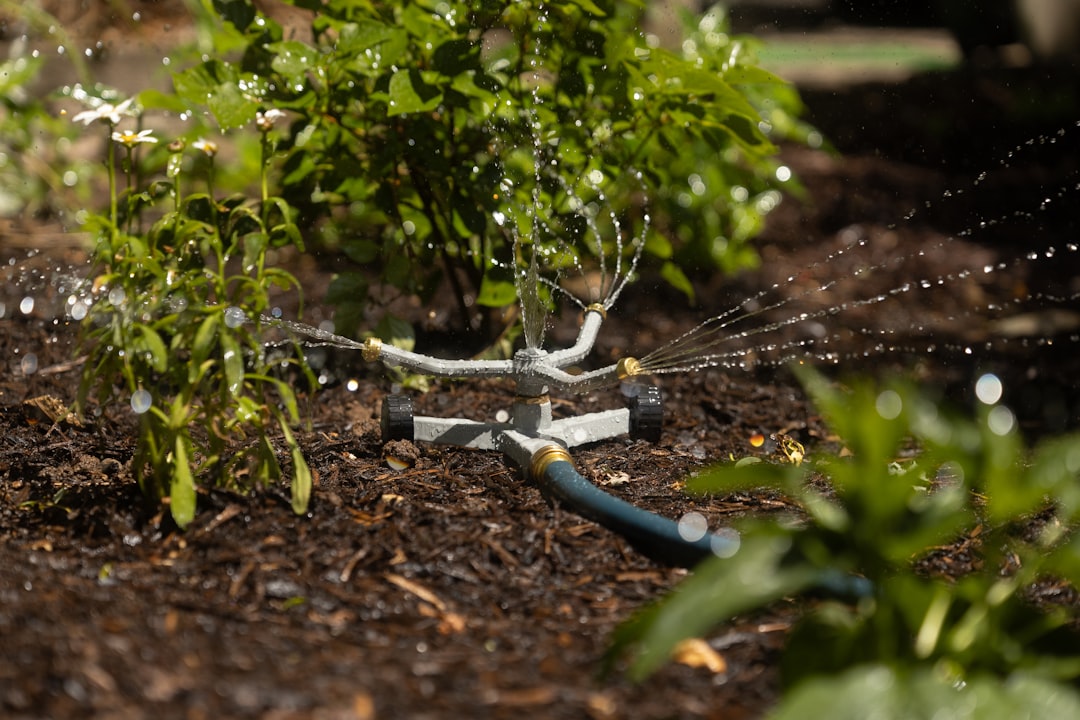
If your home has an irrigation system, a pool, or any setup where a hose or pipe connects to a non-drinking water source, that creates what's called a cross-connection. And that's exactly where contamination can sneak in.
We're talking about pesticides, fertilizer, pool chemicals, or even sewage getting pulled back into the water your family drinks, cooks with, and bathes in.
Why Texas Requires Backflow Prevention
The Texas Commission on Environmental Quality (TCEQ) requires every public water system in the state to have a cross-connection control and backflow prevention program. That means cities like Pearland, League City, Friendswood, and others in our area are required to enforce backflow rules.
If your home has a backflow prevention device — and most homes with irrigation systems do — it needs to be tested regularly to make sure it's actually working. A device that's installed but not functioning properly gives you zero protection. For professional testing, repair questions, and related water-quality help, start with Armstrong's backflow, gas, and water quality services page.
When Does Your Backflow Device Need Testing?
In most Texas cities, backflow devices must be tested at least once a year. Some areas may require testing every three years for lower-risk residential properties, but annual testing is the most common standard.
Your device also needs to be tested any time it's newly installed, repaired, or replaced.
Here's the thing most people don't realize: this is the homeowner's responsibility. Your city may send you a reminder, but it's on you to get it done and make sure the results are submitted. And the testing has to be performed by a licensed backflow prevention assembly tester (BPAT) — it's not something you can do yourself.
What Happens If You Skip It?
Ignoring backflow testing can lead to real consequences. Depending on your city, you could face fines, enforcement notices, or even have your water service shut off until you're in compliance.
But beyond the legal side — this is about your family's safety. A failed or untested backflow device means there's nothing standing between your drinking water and whatever's in your irrigation lines or connected systems.
It's one of those things that's easy to put off, but not worth the risk.
Why Pearland and Gulf Coast Homeowners Should Care About Backflow
Pearland homeowners deal with irrigation systems, hose connections, pool equipment, water heater setups, and outdoor plumbing that can create real cross-connection questions. Backflow testing helps confirm the protection device is doing its job before a water-safety issue becomes a compliance problem.
The same issue matters across the Gulf Coast, including Texas City and Galveston County communities. Coastal homes and businesses also face corrosion on exposed fittings, recurring drain problems, aging shutoffs, and water heater issues that can turn a small plumbing concern into a larger repair. Backflow testing does not solve every plumbing problem, but it fits into the bigger picture of protecting the property and catching risks early.
If you are actually searching for a plumber in Texas City, the right company should be able to help with water safety, drains, leaks, gas lines, hot water problems, and the practical next steps when a repair turns into a bigger plumbing conversation.
What to Expect During a Backflow Test
A licensed tester will come to your property, locate your backflow prevention device (usually near your water meter or irrigation system), and run a series of pressure tests using specialized gauges.
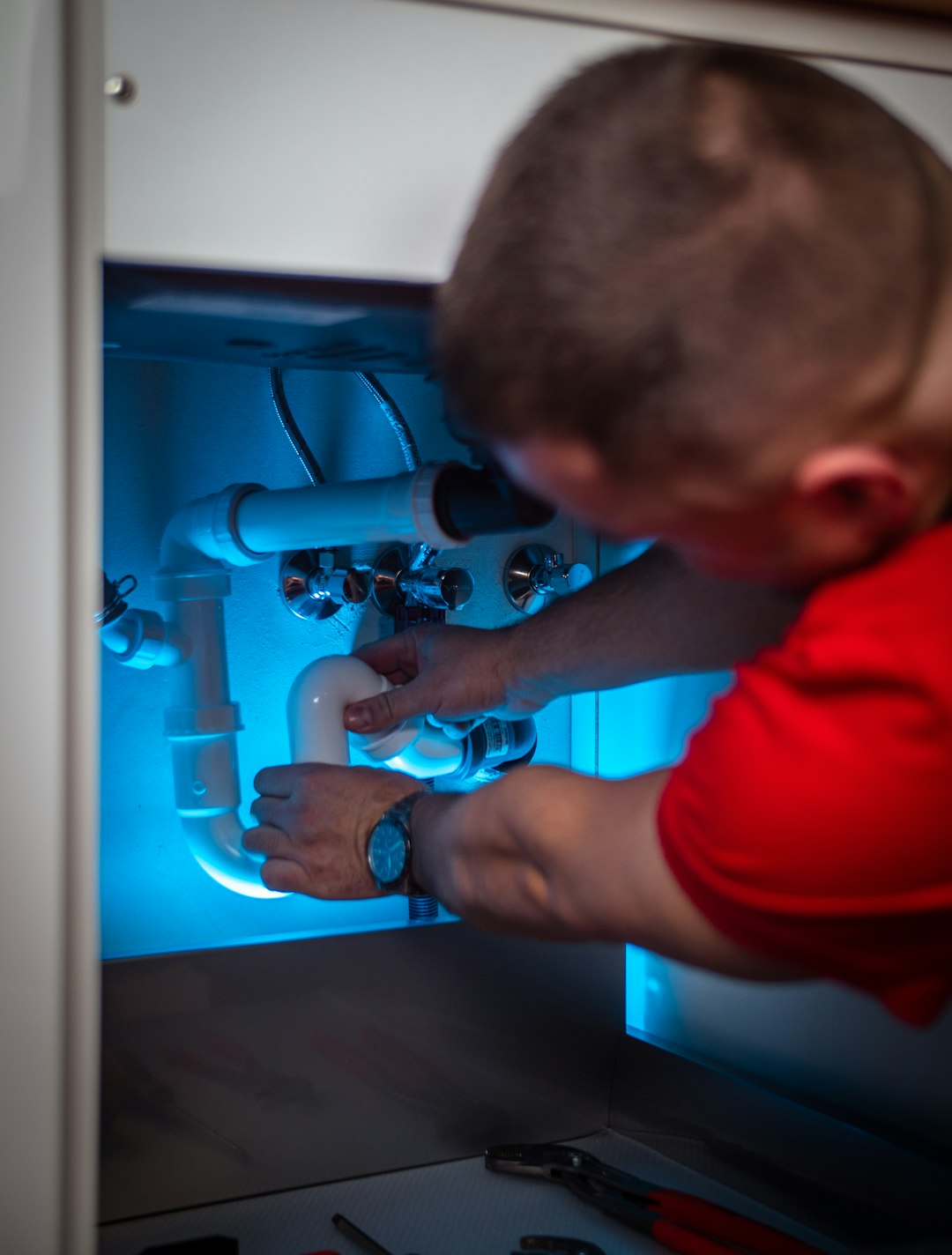
The whole thing usually takes about 15 to 30 minutes. If the device passes, the tester submits the results to your city or their tracking system. If it fails, repairs are needed before a retest.
It's quick, it's straightforward, and it gives you peace of mind that your drinking water is protected.
How Backflow Fits Into the Bigger Plumbing Picture
Homeowners often call a plumber because something more obvious is happening: a leaking water heater, a drain backup, a fixture replacement, or a pressure issue. Backflow prevention sits in the background, but it is still part of keeping the overall plumbing system safe and code-conscious.
That is especially true when a property has irrigation, pool equipment, water treatment equipment, or older piping that has been modified over time. A good plumbing visit should not only fix the immediate symptom. It should also help you understand where water quality, protection devices, and long-term maintenance fit into the rest of the home. If your test notice raises a broader question about gas lines, water softeners, filtration, or cross-connection protection, use the specialty services page as the next step before jumping into a general repair page.
For Texas City homeowners, that broader view matters. If you need local service beyond this specific topic, visit our Texas City plumbing page to learn more about the residential repairs and emergency work we handle there.
Common Plumbing Calls That Often Connect to Water Safety
Homeowners do not usually call only because they are thinking about a backflow assembly. They call because something is leaking, draining slowly, failing to heat water, or showing signs of wear near the coast. That is why the wider plumbing context matters here.
Common service calls across Pearland, Texas City, and nearby Gulf Coast communities include water heater repair and replacement, drain and sewer troubleshooting, leak repairs, outdoor piping issues, and emergency plumbing help when the problem cannot wait. A plumbing company that understands cross-connection protection should also be able to help you think through those larger system issues clearly.
For properties near the water, that bigger picture often includes corrosion on exposed fittings, aging shutoffs, repeated backups, and deciding whether a repair is enough or whether the home is ready for a more durable upgrade. Backflow testing is one part of that conversation, not the whole story.
Frequently Asked Questions About Backflow Testing
What is a backflow preventer?
It's a device installed in your plumbing that stops water from flowing backward into your clean water supply. It prevents contamination from things like irrigation systems, pools, or other connected water sources.
Is backflow testing required in Texas?
Yes. The Texas Commission on Environmental Quality (TCEQ) requires backflow prevention devices to be tested upon installation and at least once a year in most areas. Your local city may have additional requirements.
Who is responsible for backflow testing — the city or the homeowner?
The homeowner. Your city may send a reminder, but it's your responsibility to hire a licensed tester and make sure results are submitted on time.
What happens if I don't get my backflow device tested?
You could face fines, enforcement notices, or even have your water service disconnected depending on your city's policies.
How long does a backflow test take?
Most tests take about 15 to 30 minutes. A licensed tester checks your device with pressure gauges to make sure it's working properly.
Does Armstrong Plumbing Company do backflow testing?
Yes. Armstrong Plumbing Company provides backflow prevention testing and services for homeowners in Pearland, Friendswood, Manvel, Alvin, Texas City, and the surrounding Gulf Coast area.
Can the same plumber help with backflow, leaks, and water heater issues?
Yes. A qualified residential plumber should be able to help with backflow questions as well as leak repairs, drain problems, water heater work, and other common plumbing needs across Pearland and nearby Gulf Coast communities.
What other plumbing services often come up near backflow testing?
Common calls include water heater work, drain and sewer diagnosis, leak repair, gas line issues, outdoor piping problems, and emergency plumbing when active water or safety concerns show up unexpectedly.
For the main service path on this topic, start with our backflow, gas, and water quality services page. If you want broader local plumbing context, use our Pearland plumbing page or our Texas City plumbing page as the next step.
Armstrong Plumbing Company is a family-owned residential plumbing company in the Pearland and Galveston Bay service area. We handle backflow prevention, water heater repair and installation, sewer repair, drain cleaning, water filtration, emergency plumbing, and general residential plumbing. Explore our Services page, our Pearland plumbing page, our Texas City plumbing page, or contact us to book an appointment.